What causes repeated wasp encounters around your home?
If you keep finding wasps inside your home or getting stung in your yard week after week, the problem is rarely a single wandering insect. Repeated encounters usually point to a hidden nest somewhere on your property. Wasps, yellowjackets, and hornets are territorial and will defend the area around their nest. When that nest is tucked away out of sight, you can walk past it dozens of times before you trigger a reaction. Understanding where these nests hide and what draws stinging insects to those spots is the first step toward effective wasp control.
Why hidden nests cause repeat problems
A wasp colony does not send out random scouts every day. Once a nest is established, the workers follow a regular patrol route between the nest and food sources. If you are seeing wasps in the same spot day after day, the nest is almost certainly within a few hundred feet of that location. The insects are not wandering: they are commuting. The repeated encounters happen because you are standing in their flight path or near their nest entrance without realising it.
Hidden nests are especially common with yellowjackets and paper wasps. Yellowjackets often build nests inside wall voids, in attics, under decks, or even in old rodent burrows in the ground. Paper wasps prefer sheltered spots under eaves, inside porch lights, behind shutters, or inside grill covers. Hornets tend to build larger, enclosed nests high in trees or under roof overhangs. In every case, the nest is concealed enough that you do not see it until the colony has grown large.
Common places where nests stay hidden
Some nest locations are obvious once you know what to look for. Others are easy to miss until the wasps become a problem.
Under eaves and roof overhangs
Paper wasps frequently attach their open-comb nests to the underside of eaves, soffits, and roof overhangs. From the ground, the nest may be invisible because it is tucked up against the roofline. You might only notice a few wasps flying up and down along the edge of the roof. If you stand directly under the eave and look straight up, you will often see the comb. These nests are small at first but can grow to hold dozens of wasps by late summer.
Inside wall voids and attics
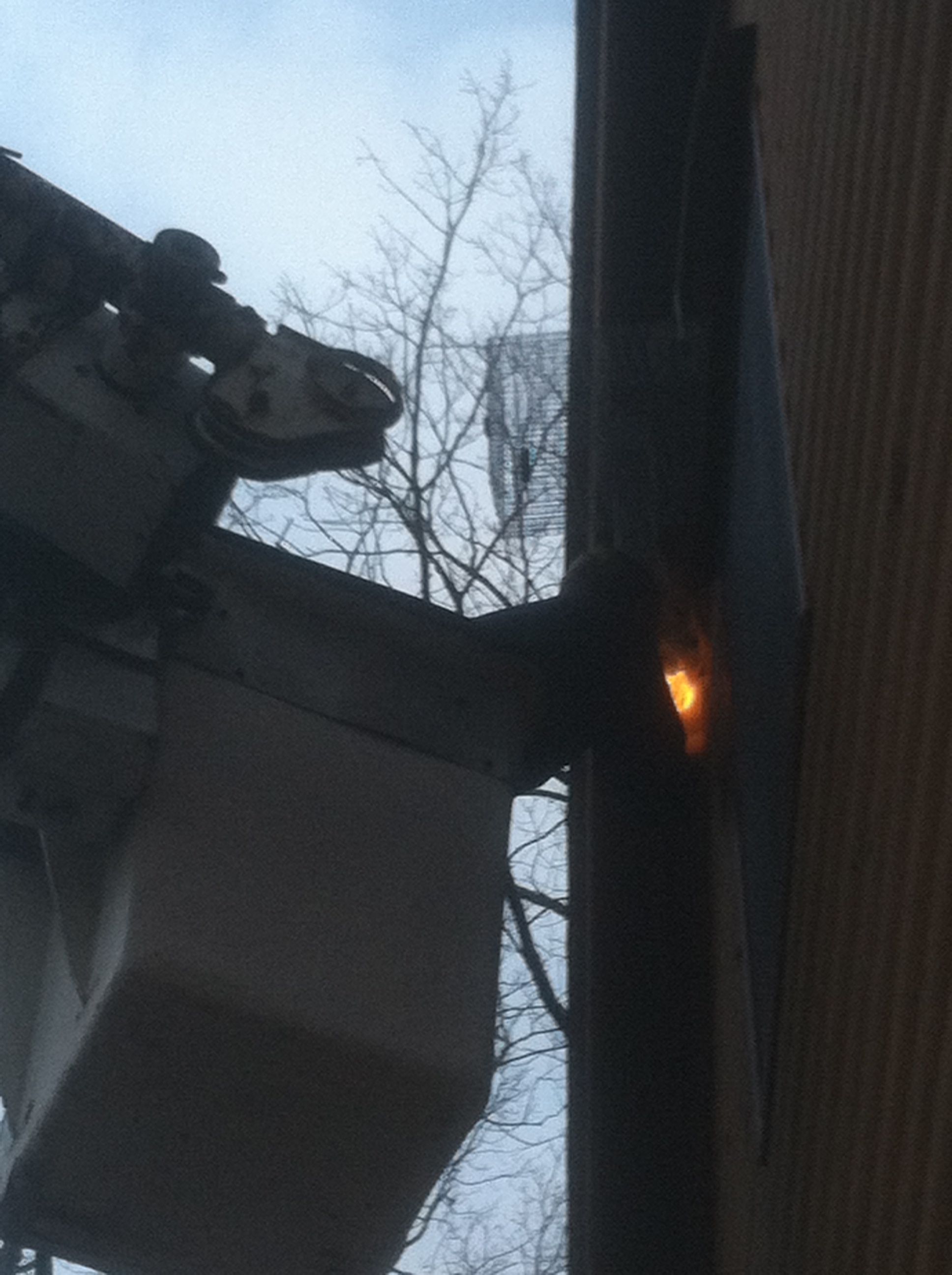
Yellowjackets are notorious for finding small gaps in siding, around window frames, or where utility lines enter the house. They chew through caulk and insulation to create a nest inside the wall cavity. The only visible sign may be a steady stream of yellowjackets entering a tiny crack near the roofline or under a window sill. Inside the attic, they sometimes build a nest against the roof decking, hidden behind stored boxes or insulation. You might hear a faint buzzing or feel heat through the ceiling near the nest.
Under decks, porches, and stairs
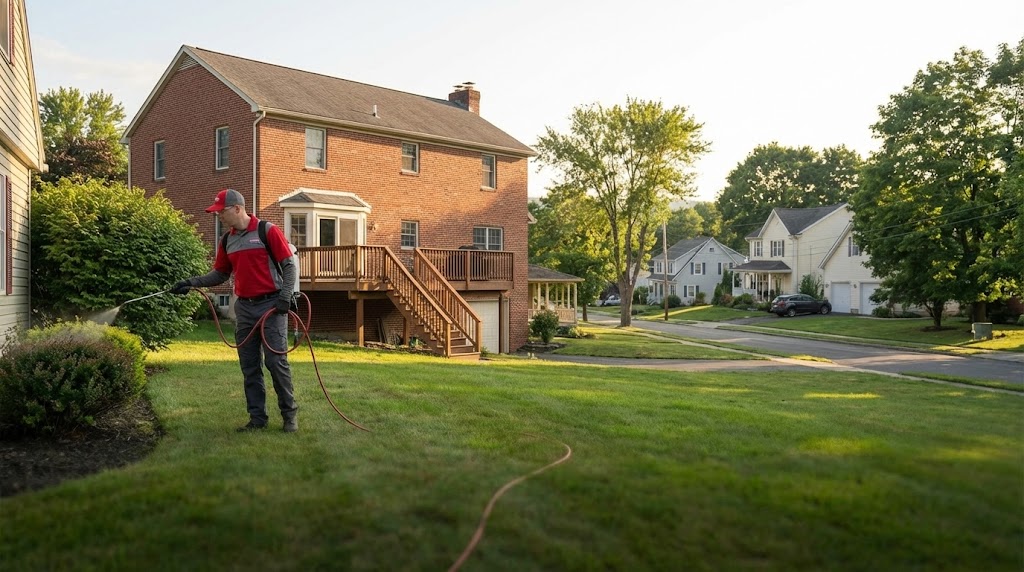
The space between the ground and the underside of a deck or porch is a favourite spot for both paper wasps and yellowjackets. The location is sheltered from rain and direct sun, and it is rarely disturbed. A nest built under the deck floor may go unnoticed until someone sits on the deck and the vibration triggers a defensive response. The same applies to the area under exterior staircases, especially if the stairs are enclosed on the sides.
In the ground
Several species of yellowjacket, and some hornets, build their nests in abandoned rodent burrows, under tree roots, or in loose soil. The entrance hole is often no larger than a coin and may be hidden by grass or leaf litter. You might not see it until a lawnmower or footstep comes too close. Ground nests are especially dangerous because the colony can be large and the entrance is easy to miss.
How repeated stings happen
Wasps that live in hidden nests do not always attack the first time you approach. A single person walking past a ground nest may not trigger a response if the wasps are focused on foraging. But each time you come near, the colony becomes more alert. The vibration of footsteps, the scent of sweat or perfume, or a sudden movement can cause the guards to become aggressive. Over several days, the same path can lead to multiple stings as the colony grows and its defensive range expands.
Another common scenario involves a nest inside a wall void. The wasps may have a small entry point that you never see. They exit through that hole, fly away to feed, and return. If you are sitting near a window or door that is close to the entry point, the wasps may fly inside when the door opens, or they may mistake the light from a window for the exit. This can lead to a wasp inside the house every few days, each one a separate encounter with the same hidden colony.
Signs that point to a hidden nest
Before you attempt any kind of wasp control, it helps to confirm that a nest is actually present. Look for these clues:
- A steady stream of wasps flying in the same direction, especially in the morning or late afternoon
- Wasps entering a small hole in siding, under eaves, or at ground level
- Chewed wood or a papery, honeycomb-like material visible near a crack or crevice
- An unusual number of wasps near a specific area of the house or yard
If you notice any of these signs, do not block the entry hole. Sealing a nest entrance without removing the nest first can force the wasps to chew through drywall or siding to escape, which can bring them directly into your living space.
What to do if you suspect a hidden nest
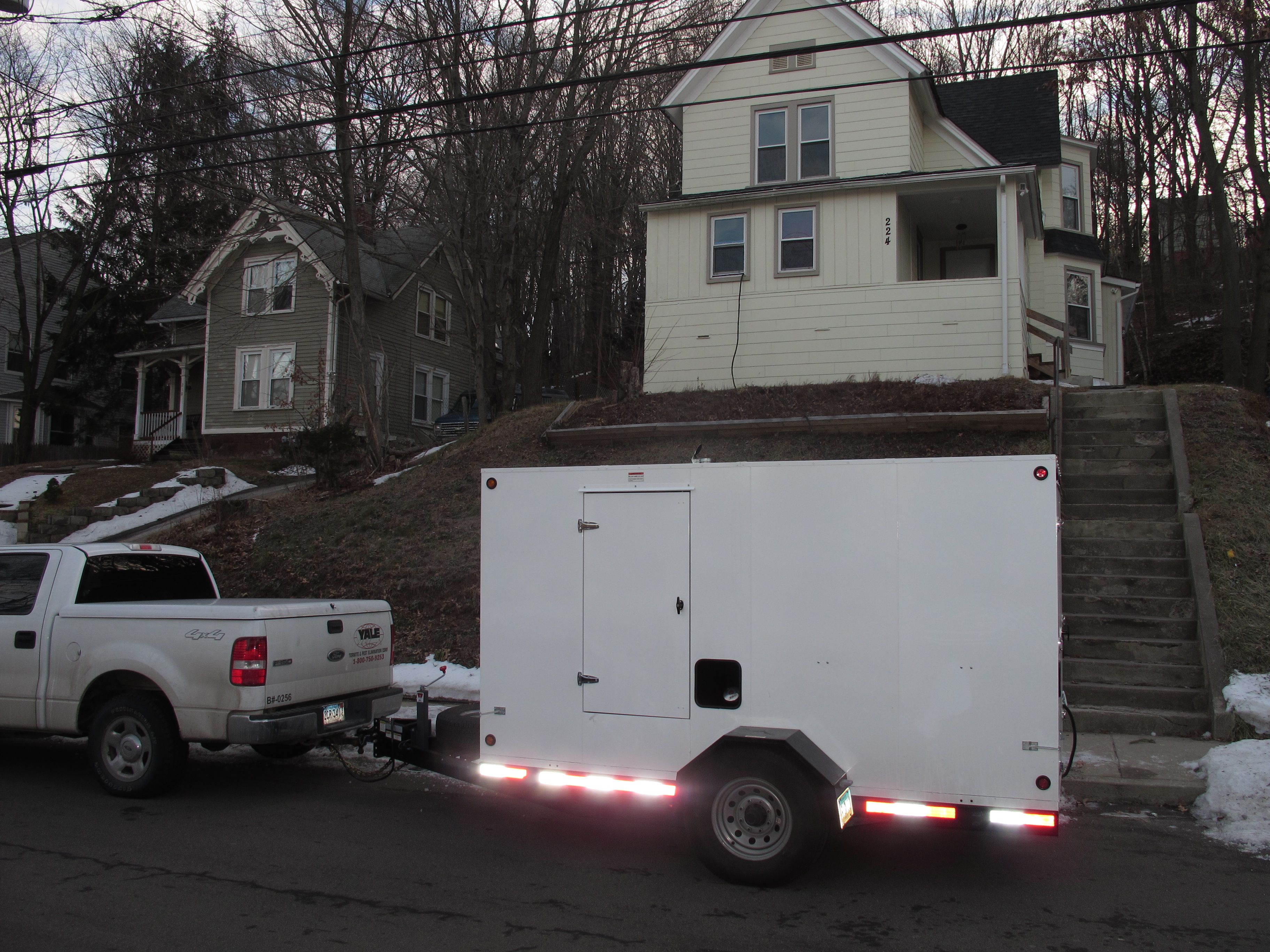
Because hidden nests are often in hard-to-reach areas, and because stinging insects can become aggressive when disturbed, the safest approach is to have a professional inspect the property. A technician trained in wasp control knows where to look and how to treat the nest without putting anyone at risk. For property owners in Connecticut, Yale Pest Control offers residential and commercial pest control services that cover these types of stinging insect problems. Their technicians can locate nests that are hidden in walls, under decks, or in the ground, and apply treatments that eliminate the colony at the source.
Preventing future hidden nests
Once a nest is removed, you can take a few steps to make your property less attractive to future colonies. Seal cracks and gaps in siding, around windows, and where utility lines enter the house. Repair loose or damaged soffits and eaves. Keep the area under decks and porches clear of debris, and consider installing a fine mesh barrier around the perimeter to block access. Also, keep trash cans sealed and clean up fallen fruit from trees, as food sources draw foraging wasps that may later decide to nest nearby.
Regular inspections, especially in early spring when queens are looking for nest sites, can catch a new nest before it grows large. At that stage, a single nest may contain only a few wasps, and removal is much simpler. By late summer, the colony may hold hundreds or even thousands of workers, making treatment more complex and the risk of stings much higher.
Repeated wasp encounters are almost always a sign that a nest is close by. Finding that nest, treating it properly, and preventing new ones from forming is the only way to stop the cycle. Yale Pest Control can help with that process, but the first step is knowing what to look for and understanding why those stings keep happening.
Ends · THEPESTWISEHOME